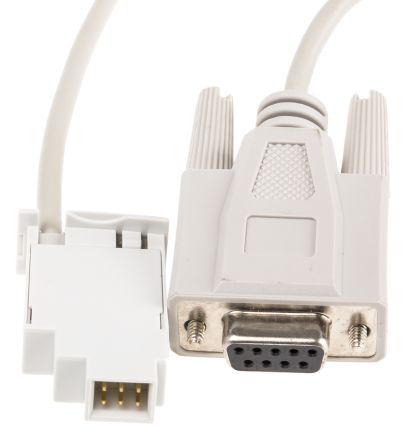
Crouzet Usb Driver Windows 7
For the Asus Nexus 7, by Philos64.
How to Update Drivers to Fix USB Problems Quickly & Easily Many USB problems can be fixed by updating the drivers. After you upgrade to Windows 10, problems can occur because your current driver may work only for the prior version of Windows. There are two ways you can update your USB drivers. - Use DriverGuide to find the correct driver for your device and operating system. Next, download and install it by following the step by step instructions.
Cisco usb console driver download. You will have a new COM port in device manager that looks like this: Create a regular connection with your favourite terminal program and use the regular settings, 9600 bits, 8 data bits, no parity and 1 stop bit. So what have gained from using the USB cable instead? When you insert the USB cable into your computer Windows will detect it and install the driver. Not that much, we don’t need the USB to serial converter any more and it’s cheaper to buy an USB cable instead of a converter. This will install the software.
You’ll need average to intermediate level computer skills to use this method. OR - Even computer newbies can update drivers with just a few clicks of a mouse. Use trusted software to identify, download and install the newest driver updates for your PC in one step. Your old drivers can be backed up and restored if you encounter any problems. You’ll need novice to beginner level computer skills to use this method. If you cannot find the right driver for your USB, you can and we will find it for you. Or, try the option instead.
Once you have downloaded the new driver, next you must remove the current driver if it is installed. On a Windows PC, you do this by using a built-in utility called Device Manager.
It allows you to see all of the devices attached to the PC, and the drivers associated with them.
Share this story • • • The USB flash drive has replaced the floppy disk drive as the best storage medium for transferring files, but it also has its uses as a replacement for CDs and DVDs. USB drives tend to be higher in capacity than disc media, but since they are more expensive, they cannot (yet) really be used as a replacement. There are reasons why you would, however, choose a USB device over a DVD disc, and bootable software is definitely one of them. Not only is it faster to copy data such as setup files from a USB drive, but during usage the access times are also significantly faster.
Therefore, installing something like Windows 7 will work that much faster from a USB drive than from a DVD (and of course, is particularly useful for the PCs without an optical drive; this isn't something we should just leave for the to enjoy). This guide will show you two different ways to create a USB flash drive that works just like a Windows 7 DVD. In order to follow this guide, you'll need a USB flash drive with at least 4GB of free space and a copy of the Windows 7 installation disc. Windows 7 USB DVD Download Tool You are normally given this tool when you purchase from the online. The easiest way to turn a USB flash drive into a bootable Windows 7 installer is by using the tool Microsoft offers, cunningly named the Windows 7 USB/DVD Download Tool. To get started, [exe] from Microsoft.com and follow the basic steps to put it onto your computer; you can put it on the computer you plan to install Windows 7 on or another one, it doesn't matter.
Once it is installed, it should create an icon on your desktop, so double-click that to open. If you can't find it, use the search function in the Start Menu with a keyword like 'USB.' Launching it should give you the above screen, and step one is to find the Windows 7.ISO file. The tool only accepts.ISO images, so we recommend that you convert yours if it's in a different DVD image format. Step two is straightforward: simply choose USB device. In step three, all you have to do is make sure that you are choosing the correct USB device.
If you have other data on the device, move it to your hard drive, another USB device, or somewhere else before proceeding. The tool will prompt you if it detects data on the device. Once your data is backed up elsewhere, click Erase USB Device. You will get another prompt warning you that all the data will be wiped.
Click Yes to continue. The format will be very quick, while the copying of the files will take a little bit more time (about 10 to 15 minutes).
Once the process is complete, you should get the above confirmation message. At this point you can close the tool and use the USB drive to install Windows 7. Remember that you'll have to choose to boot off the USB drive. Before doing so, you may want to open up the USB drive and double click on setup.exe to see if everything looks okay. If you want to be able to do this manually, see the next section, and if you want to be able to install any edition of Windows 7, skip to the section after that.